I am not big on New Year's "resolutions." I consider them empty pledges that usually fall by the wayside in weeks, if not days. I am big on realistic plans and goals though. I consider them essential to progress. So I've sketched out at least a few things I would like to accomplish in what I hope will be a better year for everyone.
First and foremost is a new series. In a few months, I will begin writing another family saga. Like the Northwest Pasage, American Journey, Carson Chronicles, and Time Box sets, it will feature time travel. Unlike the first four series, it will offer a fountain of youth, a short time frame, and older perspectives. It will view the past through the eyes of Boomers rather than Zoomers — specifically three broken, aging siblings who get a second shot at life.
The series will also be a trilogy, my first. Book one will begin in Oregon in 2023, continue in Mexico, and conclude in San Francisco in 1906, the year of the city's most devastating earthquake and fire. Books two and three, still on the drawing board, will take the story to New York City in 1912 and France in 1918. I hope to flesh out more details for all of the books by the end of March.
Later in the year, I will try to convert more titles to audio, including the last four Time Box books. Camp Lake, the Carson finale, is currently in production. It is still slated for a 2022 release.
I will also do more to promote my existing Kindle and print titles through book fairs, interviews, and online promotions. My next BookBub promotion, for The Refuge, is set for January 4.
I hope your 2022 is pleasant and productive. Happy New Year!
Sunday, January 2, 2022

Monday, December 6, 2021
Breaking down a family saga
Even now, the questions come. Readers of the Time Box series want to know why I did what I did in creating the five novels.
Some ask about characters and plot twists. Others point out peculiarities (and flaws). Most just want to know more. So I will do what I did after finishing the Northwest Passage series and address some of the matters -- and throw in a bit of trivia to boot.
The family name: Many wanted to know why the Lanes did not change their name while fleeing pursuers skilled at checking public records. I resisted making a change for two reasons. The first is that I wanted to keep things simple. When you write a family saga with multiple points of view, settings, and stories, you lose some readers. When you add aliases (and confusion) to the mix, you lose even more. Throughout the series, I tried to a make a complex story less complex. I also wanted the Lanes to retain their identity, something they cherished and ultimately defended.
The significant others: It is no accident that each of the Lane children loved and lost before finding an ideal companion. As with siblings Natalie, Caitlin, and Cody in the Carson Chronicles, I wanted them to struggle, at least a bit, to better appreciate what they found at the end. And though Ashley and Chip Brown had just started their romantic journey in Crown City, I purposely left the impression that the two had a future. (Spoiler alert: They do.)
Grace and Sarah: Kudos to perceptive readers who noticed similarities between Grace Vandenberg in The Mine and Sarah Gustafson in The Refuge. Both women were friendly, studious, blue-eyed blondes with a penchant for mischief. Both were born in rural Minnesota in the early 1920s and orphaned before they could finish college. The two could have been cousins.
Maddie and Patty: I did not even try to hide the similarities here. Ashley's best friends in Sea Spray and Crown City shared many of the same qualities, qualities that allowed a young protagonist to grow. It's not difficult to see Maddie Price, a product of the 1920s, fitting into Patty Brown's social circle in the early 1960s.
The series settings: Placing the Lanes in Virginia and Washington, D.C., in The Lane Betrayal was a no-brainer. I wanted to put the family near the center of action in 1865, the final year of the American Civil War. In later books, I simply followed the history. I thought Chicago, Long Island, Hawaii, and Southern California best reflected 1893, 1927, 1941, and 1963, respectively.
My favorite characters: Jeremy and Mary. Jeremy provided comic relief when it was needed. Mary, his stalwart mother, gave the series a strong, moral underpinning. Ashley was my next favorite. I enjoyed writing her character in each of the last three books.
Jeremy and the draft: When I finished Crown City, I left the impression Jeremy would somehow avoid Vietnam, either by leaving the country or getting a college deferment. Later, I learned he would have been fine, no matter what. As a man who tied the knot before August 25, 1965, when President Johnson signed Executive Order 11241, he could have legally put off military service.
'Mrs. Brown' song: From the start, I wanted to include "Mrs. Brown You've Got a Lovely Daughter" in Crown City's slumber party chapter. Then I learned that the most well-known version of the song, by Herman's Hermits, did not exist in 1963. Fortunately for me, another version, the first version, did. Tom Courtenay, an English actor, released a 45 of "Mrs. Brown" in 1963. Problem solved.
Craig Henderson: I expanded this bit player's role to answer the central question of the Time Box series: How far would you go for the ones you love? I wanted readers to put themselves in the shoes of time travelers who had the power to save lives, even at a cost.
Bobby Devereaux: One reader asked about the fate of the three-year-old boy after he was adopted by a family that wanted him. I did not answer the question in the book, but I did provide a clue. In the case of nature vs. nurture, I cast a vote for the latter.
Some ask about characters and plot twists. Others point out peculiarities (and flaws). Most just want to know more. So I will do what I did after finishing the Northwest Passage series and address some of the matters -- and throw in a bit of trivia to boot.
The family name: Many wanted to know why the Lanes did not change their name while fleeing pursuers skilled at checking public records. I resisted making a change for two reasons. The first is that I wanted to keep things simple. When you write a family saga with multiple points of view, settings, and stories, you lose some readers. When you add aliases (and confusion) to the mix, you lose even more. Throughout the series, I tried to a make a complex story less complex. I also wanted the Lanes to retain their identity, something they cherished and ultimately defended.
The significant others: It is no accident that each of the Lane children loved and lost before finding an ideal companion. As with siblings Natalie, Caitlin, and Cody in the Carson Chronicles, I wanted them to struggle, at least a bit, to better appreciate what they found at the end. And though Ashley and Chip Brown had just started their romantic journey in Crown City, I purposely left the impression that the two had a future. (Spoiler alert: They do.)
Grace and Sarah: Kudos to perceptive readers who noticed similarities between Grace Vandenberg in The Mine and Sarah Gustafson in The Refuge. Both women were friendly, studious, blue-eyed blondes with a penchant for mischief. Both were born in rural Minnesota in the early 1920s and orphaned before they could finish college. The two could have been cousins.
Maddie and Patty: I did not even try to hide the similarities here. Ashley's best friends in Sea Spray and Crown City shared many of the same qualities, qualities that allowed a young protagonist to grow. It's not difficult to see Maddie Price, a product of the 1920s, fitting into Patty Brown's social circle in the early 1960s.
The series settings: Placing the Lanes in Virginia and Washington, D.C., in The Lane Betrayal was a no-brainer. I wanted to put the family near the center of action in 1865, the final year of the American Civil War. In later books, I simply followed the history. I thought Chicago, Long Island, Hawaii, and Southern California best reflected 1893, 1927, 1941, and 1963, respectively.
My favorite characters: Jeremy and Mary. Jeremy provided comic relief when it was needed. Mary, his stalwart mother, gave the series a strong, moral underpinning. Ashley was my next favorite. I enjoyed writing her character in each of the last three books.
Jeremy and the draft: When I finished Crown City, I left the impression Jeremy would somehow avoid Vietnam, either by leaving the country or getting a college deferment. Later, I learned he would have been fine, no matter what. As a man who tied the knot before August 25, 1965, when President Johnson signed Executive Order 11241, he could have legally put off military service.
'Mrs. Brown' song: From the start, I wanted to include "Mrs. Brown You've Got a Lovely Daughter" in Crown City's slumber party chapter. Then I learned that the most well-known version of the song, by Herman's Hermits, did not exist in 1963. Fortunately for me, another version, the first version, did. Tom Courtenay, an English actor, released a 45 of "Mrs. Brown" in 1963. Problem solved.
Craig Henderson: I expanded this bit player's role to answer the central question of the Time Box series: How far would you go for the ones you love? I wanted readers to put themselves in the shoes of time travelers who had the power to save lives, even at a cost.
Bobby Devereaux: One reader asked about the fate of the three-year-old boy after he was adopted by a family that wanted him. I did not answer the question in the book, but I did provide a clue. In the case of nature vs. nurture, I cast a vote for the latter.
Friday, November 26, 2021
Saying so long to the Lanes
I dislike goodbyes. I particularly dislike long, drawn-out literary goodbyes that bring five-book time-travel series to a conclusion.
The first two weren't so bad. When I said so long to the Northwest Passage and American Journey sets, I did so with books that served a purpose. The Mirror and Hannah's Moon tied loose ends.
 Camp Lake went further. It brought a lengthy family saga to an end. It gave the Carsons the sendoff they deserved.
Crown City does all this and more. The novel, the last in the Time Box series, showcases, redefines, and even reintroduces a clan that has been my focus for nearly two years. Set mostly in the San Diego area in the summer and fall of 1963, it displays the Lanes at their very best.
No one shines more brightly than Ashley. Now fourteen, the introverted, studious youngest child enters Crown City High School with trepidation. Then a classmate nominates her for freshman homecoming princess. Within weeks, Ashley, a new student in search of friends and belonging, finds popularity, romance, and a host of new problems. She experiences the triumphs and tribulations of adolescence.
While Ashley finds her place in school, the other Lanes find it elsewhere. Parents Mark and Mary settle in the seaside town of Coronado. Siblings Jordan, Laura, and Jeremy chart new courses with spouses, children, and significant others. All hope the latest stop on their turbulent journey through time is their last.
Robert Devereaux does too. The unhinged billionaire, a software mogul in 2023, wants to eliminate the Lanes and reclaim the portable time machines they stole from him in 2021. Through traveling hit man Silas Bain, he intends to find the fugitives and settle a score.
The Lanes have plans of their own. Tired of running and hiding in the past, they take the war to their enemy. With friend Randy Taylor leading the way, they tackle a tyrant on two fronts. They hope to put Old Robert in prison while sparing Young Robert, a three-year-old in 1963, from a life-altering tragedy and years of neglect.
Filled with romance, suspense, and adventure, Crown City brings an epic family saga to a poignant end. It presents the Lanes one last time as they battle adversaries, circumstances, and even each other in the era of malt shops, deuce coupes, and John F. Kennedy.
Crown City is my twentieth novel. It goes on sale today at Amazon.com and its twelve international affiliates.
The first two weren't so bad. When I said so long to the Northwest Passage and American Journey sets, I did so with books that served a purpose. The Mirror and Hannah's Moon tied loose ends.

Crown City does all this and more. The novel, the last in the Time Box series, showcases, redefines, and even reintroduces a clan that has been my focus for nearly two years. Set mostly in the San Diego area in the summer and fall of 1963, it displays the Lanes at their very best.
No one shines more brightly than Ashley. Now fourteen, the introverted, studious youngest child enters Crown City High School with trepidation. Then a classmate nominates her for freshman homecoming princess. Within weeks, Ashley, a new student in search of friends and belonging, finds popularity, romance, and a host of new problems. She experiences the triumphs and tribulations of adolescence.
While Ashley finds her place in school, the other Lanes find it elsewhere. Parents Mark and Mary settle in the seaside town of Coronado. Siblings Jordan, Laura, and Jeremy chart new courses with spouses, children, and significant others. All hope the latest stop on their turbulent journey through time is their last.
Robert Devereaux does too. The unhinged billionaire, a software mogul in 2023, wants to eliminate the Lanes and reclaim the portable time machines they stole from him in 2021. Through traveling hit man Silas Bain, he intends to find the fugitives and settle a score.
The Lanes have plans of their own. Tired of running and hiding in the past, they take the war to their enemy. With friend Randy Taylor leading the way, they tackle a tyrant on two fronts. They hope to put Old Robert in prison while sparing Young Robert, a three-year-old in 1963, from a life-altering tragedy and years of neglect.
Filled with romance, suspense, and adventure, Crown City brings an epic family saga to a poignant end. It presents the Lanes one last time as they battle adversaries, circumstances, and even each other in the era of malt shops, deuce coupes, and John F. Kennedy.
Crown City is my twentieth novel. It goes on sale today at Amazon.com and its twelve international affiliates.
Monday, November 1, 2021
Writing a familiar finale
The chapter, the third in the biblical book of Ecclesiastes, has moved writers and thinkers for centuries. Even movie makers and recording artists have drawn inspiration from its words.
Actor Kevin Bacon quoted the passage in the 1984 film Footloose. Folk singer Pete Seeger set it to music. The Byrds, an American rock group, adapted and recorded it, producing "Turn! Turn! Turn!" Their soulful interpretation, a Billboard Number 1 hit in the fall of 1965, became an enduring anthem of the 1960s.
In every version of the poem, the message is the same: "To everything there is a season." There is a season to laugh and weep, to be born and die, to love and hate, to dance and mourn. In literature, as in life, there is a time and a place for everything.
In writing Crown City, the last book in the Time Box series, I took the passage to heart and then some. I gave the Lanes, my family of time travelers, a season and a reason to fulfill their potential. I gave them a comprehensive taste of the human experience.
Readers will find the evidence in spades. There are births and deaths in Crown City – as well as weddings, funerals, dances, feasts, farewells, reunions, and coming-of-age moments. There is also laughter, tears, love, hate, healing, and sacrifice. There are the very things that have made the Lane saga such a joy to write.
I included these things on purpose, of course. Since writing The Mine, my first novel, ten years ago, I have asked myself the same questions. Why tell one story when you can tell ten? Why not give readers a seven-course meal? Why not present life as it is?
Sometimes covering all the bases in a single work is difficult. Sometimes it is easy. In Crown City, it was easy. I merely had to follow several individual stories, the stories of the Lane family, to their logical conclusions. I had to finish what I started.
As in The Mirror, Hannah's Moon, and Camp Lake, my other series finales, readers will find the answers to many lingering questions. Longtime readers will also find much that is familiar.
In writing my twentieth novel, I paid serious homage to the first nineteen. I borrowed at least one theme, name, place, or circumstance from every other book and gave it a fresh spin.
I did so because I could and because I thought the time was right. For me, the season for writing a novel that encompassed the spectrum of life had come. Crown City is currently in the final editing phase. It is now set for an early December release.
Actor Kevin Bacon quoted the passage in the 1984 film Footloose. Folk singer Pete Seeger set it to music. The Byrds, an American rock group, adapted and recorded it, producing "Turn! Turn! Turn!" Their soulful interpretation, a Billboard Number 1 hit in the fall of 1965, became an enduring anthem of the 1960s.
In every version of the poem, the message is the same: "To everything there is a season." There is a season to laugh and weep, to be born and die, to love and hate, to dance and mourn. In literature, as in life, there is a time and a place for everything.
In writing Crown City, the last book in the Time Box series, I took the passage to heart and then some. I gave the Lanes, my family of time travelers, a season and a reason to fulfill their potential. I gave them a comprehensive taste of the human experience.
Readers will find the evidence in spades. There are births and deaths in Crown City – as well as weddings, funerals, dances, feasts, farewells, reunions, and coming-of-age moments. There is also laughter, tears, love, hate, healing, and sacrifice. There are the very things that have made the Lane saga such a joy to write.
I included these things on purpose, of course. Since writing The Mine, my first novel, ten years ago, I have asked myself the same questions. Why tell one story when you can tell ten? Why not give readers a seven-course meal? Why not present life as it is?
Sometimes covering all the bases in a single work is difficult. Sometimes it is easy. In Crown City, it was easy. I merely had to follow several individual stories, the stories of the Lane family, to their logical conclusions. I had to finish what I started.
As in The Mirror, Hannah's Moon, and Camp Lake, my other series finales, readers will find the answers to many lingering questions. Longtime readers will also find much that is familiar.
In writing my twentieth novel, I paid serious homage to the first nineteen. I borrowed at least one theme, name, place, or circumstance from every other book and gave it a fresh spin.
I did so because I could and because I thought the time was right. For me, the season for writing a novel that encompassed the spectrum of life had come. Crown City is currently in the final editing phase. It is now set for an early December release.
Sunday, October 10, 2021
A first draft for a last book
The first draft, I wrote a year ago, is the easy one. It's the "rough, unpolished blob a writer pushes out in a manic frenzy."
My thinking has changed. In some cases, the first draft is the harder one. It's the foundation that must be properly set in order to support and accommodate all that follows. Whether done quickly or not, it's the one that requires a little extra care and attention.
This is especially true with a series finale. As I learned in writing Crown City, the fifth book in the Time Box set, the first draft can be as consuming and aggravating as the last. It can be a chore.
Fortunately for me, I managed to complete that chore successfully. I produced a draft I can easily improve. I pushed out a 107,000-word manuscript nearly four weeks ahead of schedule.
Like Camp Lake, Crown City will bring a long family saga to a close. It will tie loose ends and answer questions that have lingered since The Lane Betrayal, the first book in the series.
It will also showcase the Lane ladies. Though Ashley, a high school freshman, takes center stage in the novel, set mostly in Coronado, California, in 1963, her mother and sisters play strong supporting roles. All provide depth and meaning to the story.
I intend to revise the first draft, with the help of my editor and several beta readers, in the next ten weeks and choose a cover in the next four. Crown City is still scheduled for a Christmas release.
My thinking has changed. In some cases, the first draft is the harder one. It's the foundation that must be properly set in order to support and accommodate all that follows. Whether done quickly or not, it's the one that requires a little extra care and attention.
This is especially true with a series finale. As I learned in writing Crown City, the fifth book in the Time Box set, the first draft can be as consuming and aggravating as the last. It can be a chore.
Fortunately for me, I managed to complete that chore successfully. I produced a draft I can easily improve. I pushed out a 107,000-word manuscript nearly four weeks ahead of schedule.
Like Camp Lake, Crown City will bring a long family saga to a close. It will tie loose ends and answer questions that have lingered since The Lane Betrayal, the first book in the series.
It will also showcase the Lane ladies. Though Ashley, a high school freshman, takes center stage in the novel, set mostly in Coronado, California, in 1963, her mother and sisters play strong supporting roles. All provide depth and meaning to the story.
I intend to revise the first draft, with the help of my editor and several beta readers, in the next ten weeks and choose a cover in the next four. Crown City is still scheduled for a Christmas release.
Wednesday, September 15, 2021
A salute to the couples
As characters go, they are easy to spot. Though they vary in age, vocation, temperament, and even role within a series, they all have one thing in common. They have been married for a long time.
Joel and Grace Smith started it off in The Mine. From the moment they met as college students to the moment they welcomed their first grandchild, they anchored the Northwest Passage series.
 Geoffrey and Jeanette Bell did much the same in the American Journey set. They managed a series of time travelers in their Los Angeles home before taking a bow in Hannah's Moon.
Then came the patriarchs and matriarchs, the foundations of my family sagas. Tim and Caroline Carson presided over a large clan in the Carson Chronicles.
Mark and Mary Lane have done the same in the Time Box collection. Both couples were the glue that held a disparate collection of characters together.
Other couples, like the Carters in The Mine, the Greens in The Show, the Scotts in The Memory Tree, the Watanabes in Indian Paintbrush, and the Prices in Sea Spray, enhanced stories in other ways. They added color and contrast and (sometimes) comic relief.
In creating these couples, stalwarts of my series, I drew inspiration from books, movies, and real people, including two very real people who will celebrate their 70th anniversary next Thursday.
If that number looks like a typo, it's not. My parents, Jim and Mary Heldt, have been married longer than many people live. In that time, they have served as splendid role models for their six children and many grandchildren and great-grandchildren.
They have also provided much inspiration for characters they will only know through literature. For that and a hundred other things, I will always be grateful. Happy anniversary, Mom and Dad!
Joel and Grace Smith started it off in The Mine. From the moment they met as college students to the moment they welcomed their first grandchild, they anchored the Northwest Passage series.

Then came the patriarchs and matriarchs, the foundations of my family sagas. Tim and Caroline Carson presided over a large clan in the Carson Chronicles.
Mark and Mary Lane have done the same in the Time Box collection. Both couples were the glue that held a disparate collection of characters together.
Other couples, like the Carters in The Mine, the Greens in The Show, the Scotts in The Memory Tree, the Watanabes in Indian Paintbrush, and the Prices in Sea Spray, enhanced stories in other ways. They added color and contrast and (sometimes) comic relief.
In creating these couples, stalwarts of my series, I drew inspiration from books, movies, and real people, including two very real people who will celebrate their 70th anniversary next Thursday.
If that number looks like a typo, it's not. My parents, Jim and Mary Heldt, have been married longer than many people live. In that time, they have served as splendid role models for their six children and many grandchildren and great-grandchildren.
They have also provided much inspiration for characters they will only know through literature. For that and a hundred other things, I will always be grateful. Happy anniversary, Mom and Dad!
Monday, August 23, 2021
Upgrading the (cover) stock
I don't upgrade covers often. In fact, since publishing my first book in 2012, I have replaced an original image with something significantly different only three times. This summer, I did so again.
 Thanks to Melissa Williams Design, The Memory Tree has a new wrap. The graphics outfit produced a cover that will soon be displayed in BookLife. A few times a year, the web site, Publishers Weekly's gift to the self-published community, features cover makeovers that showcase the skills of graphic artists. Both authors and illustrators benefit from the high-profile promotion.
The Memory Tree makeover follows two earlier overhauls. Podium Publishing, now Podium Audio, produced a new cover for The Mine in 2013. Laura Wright LaRoche did the same for The Mirror in 2014. She also modified the text elements on the covers of The Journey, The Show, and The Fire. Needless to say, I am pleased with all of the updates.
I hope to decide on a Kindle cover for Crown City, my latest work in progress, by the middle of October. The fifth and final book of the Time Box series is still scheduled for a December 2021 release.

The Memory Tree makeover follows two earlier overhauls. Podium Publishing, now Podium Audio, produced a new cover for The Mine in 2013. Laura Wright LaRoche did the same for The Mirror in 2014. She also modified the text elements on the covers of The Journey, The Show, and The Fire. Needless to say, I am pleased with all of the updates.
I hope to decide on a Kindle cover for Crown City, my latest work in progress, by the middle of October. The fifth and final book of the Time Box series is still scheduled for a December 2021 release.
Saturday, July 3, 2021
Two audiobooks and more

Camp Lake is also on its way to listeners. Lu Banks, a veteran voice actor from Indiana, has agreed to narrate the final book in the Carson Chronicles series. I look forward to working with Lu in the coming months and completing that set.
Work continues in planning the fifth novel in the Time Box series. I will begin writing the book later this month. The work, set mostly in Coronado, California, in the summer and fall of 1963, is the last in the Lane family saga. It is scheduled for a December release.
Monday, June 14, 2021
Looking ahead to Baja
As one who often writes about the things I've done and places I've visited, I rarely let an experience go to waste. Even when I can't tie an adventure to a current project, I file it away for future use.
 Last week, I did just that. While visiting Cabo San Lucas, I let my mind wander not to my next book but to my next series. Set mostly in the United States, like my first four series, it will begin in earnest in the tourist towns and rugged mountains of Baja California.
 I will work out the details later, of course. My efforts now are focused on planning and writing the fifth book of the Time Box series, set mostly in Coronado, California, in the summer and fall of 1963.
Even so, I found it difficult not to look to the future. When writers walk through towns like Cabo, they find inspiration galore. They find buildings, streets, natural features, and people that all but demand to be incorporated into future works. They find ideas.
 I know I did. During my time in Mexico, I found one potential setting after another. My wife and I spent a week in the kind of resort that draws tourists from around the world. I did not have to try hard to imagine conversations on high-rise balconies or lush courtyards or poolside tables. I could picture characters in future books interacting.
 I could also picture them striking out on their own and taking the road less traveled. As I learned this month, Baja is more than hotels, beaches, and tourist traps. It is colorful neighborhoods, hidden treasures, and natural wonders. It is a setting, indeed a theme, waiting to be explored and described and appreciated.
At the moment, I have only sketched the broad outlines of the fifth series. Though most of the particulars will not be be determined until next year, I can say the series will initially revolve around three aging siblings -- two brothers and a younger sister -- who get a second shot at life by making use of a fountain of youth. Like many of the characters in my previous works, they will find satisfaction and redemption in the not-so-distant past. Unlike most, they will begin their journey in Mexico.
In the meantime, I will strive to give the Lane family, the focus of my current five-part family saga, a proper send-off. I hope to finish the last novel in the Time Box series by December or January.
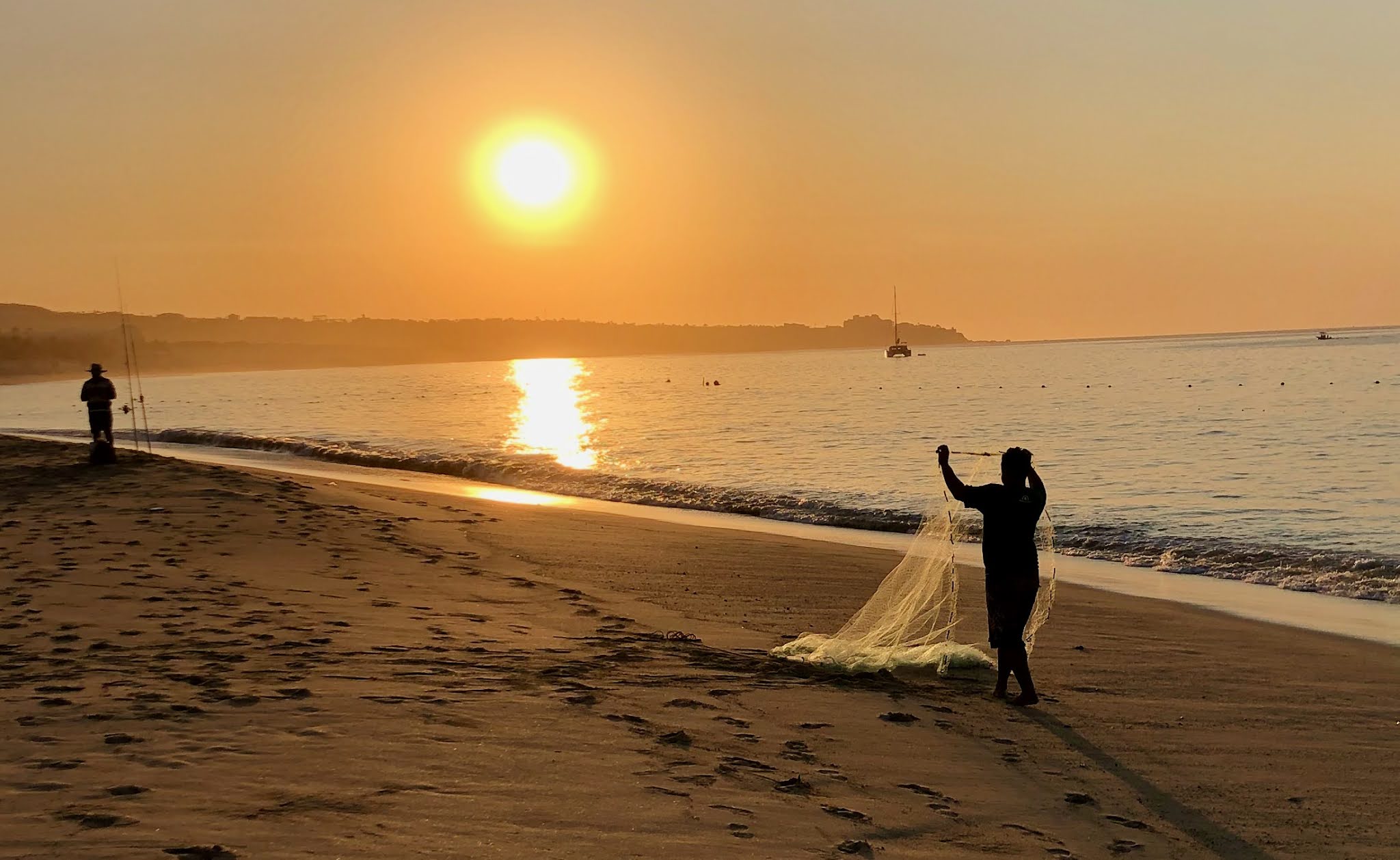

Even so, I found it difficult not to look to the future. When writers walk through towns like Cabo, they find inspiration galore. They find buildings, streets, natural features, and people that all but demand to be incorporated into future works. They find ideas.


At the moment, I have only sketched the broad outlines of the fifth series. Though most of the particulars will not be be determined until next year, I can say the series will initially revolve around three aging siblings -- two brothers and a younger sister -- who get a second shot at life by making use of a fountain of youth. Like many of the characters in my previous works, they will find satisfaction and redemption in the not-so-distant past. Unlike most, they will begin their journey in Mexico.
In the meantime, I will strive to give the Lane family, the focus of my current five-part family saga, a proper send-off. I hope to finish the last novel in the Time Box series by December or January.
Wednesday, May 26, 2021
Finding a familiar Refuge
To many novelists, World War II is like catnip. With endless themes, storylines, and possibilities, it is a subject they can’t resist.
I know I can’t. Since I jumped into this business in 2012, I have written several novels set before or during the war, including The Mine, Mercer Street, Hannah's Moon, and Indian Paintbrush.
 Today, I add one more. In The Refuge, time travelers, assassins, soldiers, scientists, and spies lock horns in the months preceding the December 7, 1941, attack on Pearl Harbor. They elevate the Time Box series to new heights.
In book four, the Lanes, a family from 2021, pursue two objectives on Oahu. While son Jordan, a former intelligence officer, hunts Silas Bain, a ruthless family foe, in the streets of Honolulu, his parents, younger siblings, and pregnant wife settle in the village of Laie, where love, friendship, and opportunity await. Most seek refuge from the perils of time travel.
Bain, a mercenary from the 2020s, has his own agenda. He intends to delay America’s entry into the war and indirectly save a brilliant German physicist, his employer's grandfather, from certain death. He has prepared for every contingency in Hawaii, except meddling by his old adversaries and the charms of a beautiful heiress.
In The Refuge, readers see the Lanes spread their wings. They see Laura and Jessie manage pregnancies, Ashley evolve as a teenager, and Jeremy fall for a beautiful coed with a common interest in a nineteenth-century socialite. They see a familiar family grow.
They also see the war. From the first chapter on, they experience history's greatest conflict from the perspective of time travelers who know that trouble -- big trouble -- is coming to paradise.
Filled with suspense, romance, history, and thrills, The Refuge follows a modern family through a perilous moment in time. The novel, my nineteenth overall, goes on sale today at Amazon.com.
I know I can’t. Since I jumped into this business in 2012, I have written several novels set before or during the war, including The Mine, Mercer Street, Hannah's Moon, and Indian Paintbrush.

In book four, the Lanes, a family from 2021, pursue two objectives on Oahu. While son Jordan, a former intelligence officer, hunts Silas Bain, a ruthless family foe, in the streets of Honolulu, his parents, younger siblings, and pregnant wife settle in the village of Laie, where love, friendship, and opportunity await. Most seek refuge from the perils of time travel.
Bain, a mercenary from the 2020s, has his own agenda. He intends to delay America’s entry into the war and indirectly save a brilliant German physicist, his employer's grandfather, from certain death. He has prepared for every contingency in Hawaii, except meddling by his old adversaries and the charms of a beautiful heiress.
In The Refuge, readers see the Lanes spread their wings. They see Laura and Jessie manage pregnancies, Ashley evolve as a teenager, and Jeremy fall for a beautiful coed with a common interest in a nineteenth-century socialite. They see a familiar family grow.
They also see the war. From the first chapter on, they experience history's greatest conflict from the perspective of time travelers who know that trouble -- big trouble -- is coming to paradise.
Filled with suspense, romance, history, and thrills, The Refuge follows a modern family through a perilous moment in time. The novel, my nineteenth overall, goes on sale today at Amazon.com.
Friday, May 14, 2021
Review: At Dawn We Slept
The book has aged well. Even four decades after its initial release, it remains the definitive work on a defining American moment.
That was enough for me. When I needed background on Pearl Harbor, I turned to a source I could trust. I opened Gordon Prange's At Dawn We Slept and reacquainted myself with December 7, 1941.
A comprehensive, absorbing account of the time before, during, and after the day that lived in infamy, Prange's non-fiction masterpiece reads like a suspense novel. I consulted it often when I needed the kind of detail only a dedicated scholar of a subject can provide.
Prange devotes roughly half the book to the months preceding the Japanese attack on Pearl Harbor. He introduces readers to the issues, the players, and events that led up to the strike. He provides a well-rounded treatment of one of history's most iconic events.
Those familiar with Prange know Pearl Harbor was his passion. As the chief historian on Gen. Douglas MacArthur's staff, he interviewed many Japanese military men and turned his research into several notable works, including Tora! Tora! Tora! Colleagues published Dawn a year after the University of Maryland professor died in 1980.
In Dawn, Prange does not refrain from asking tough questions or assigning blame for the stunning attack, which drew the United States into World War II. He addresses the matters head on from the thoughtful and even-handed perspective of a serious historian.
I found Prange's scholarship useful in preparing my current work in progress, which is set on Oahu, Hawaii, in the summer and fall of 1941. That novel, The Refuge, is still set for a June 1 release.
I would recommend Dawn to students of history and anyone fascinated with an event that changed America forever. Rating: 5/5.
That was enough for me. When I needed background on Pearl Harbor, I turned to a source I could trust. I opened Gordon Prange's At Dawn We Slept and reacquainted myself with December 7, 1941.
A comprehensive, absorbing account of the time before, during, and after the day that lived in infamy, Prange's non-fiction masterpiece reads like a suspense novel. I consulted it often when I needed the kind of detail only a dedicated scholar of a subject can provide.
Prange devotes roughly half the book to the months preceding the Japanese attack on Pearl Harbor. He introduces readers to the issues, the players, and events that led up to the strike. He provides a well-rounded treatment of one of history's most iconic events.
Those familiar with Prange know Pearl Harbor was his passion. As the chief historian on Gen. Douglas MacArthur's staff, he interviewed many Japanese military men and turned his research into several notable works, including Tora! Tora! Tora! Colleagues published Dawn a year after the University of Maryland professor died in 1980.
In Dawn, Prange does not refrain from asking tough questions or assigning blame for the stunning attack, which drew the United States into World War II. He addresses the matters head on from the thoughtful and even-handed perspective of a serious historian.
I found Prange's scholarship useful in preparing my current work in progress, which is set on Oahu, Hawaii, in the summer and fall of 1941. That novel, The Refuge, is still set for a June 1 release.
I would recommend Dawn to students of history and anyone fascinated with an event that changed America forever. Rating: 5/5.
Sunday, May 2, 2021
When character(s) matters
The question is as old as fiction itself. In a novel and other works of literature, which is more important? Writing or story?
Depending on who you ask, the answer is clear. Some readers value writing more than the story. Others do just the opposite.
Most novelists value both. They try to write a great story in prose that shines. I know I do. Even when I fail, I attempt to do both.
Then there is the third element. Often shoved to the side, it is as vital to the success of a novel as the writing and the story.
That element is the characters. Without compelling characters, even a well-written story can founder. It can fail to hold a reader.
I did not pick this up right away. I wrote several books, in fact, before readers reminded me, sometimes not so gently, that characters matter. I learned that flawed, sympathetic protagonists and nuanced villains are as essential to a work as a solid plot.
In my next book, The Refuge, readers will see flaws and nuance galore. They will see good guys (and gals) show their harsher sides, confident souls struggle with major life decisions, and ruthless killers find love. They will see people at their best and their worst.
They will also see old friends in a new light, colorful secondary characters, and historical figures in familiar roles. They will see the human mosaic that was Oahu, Hawaii, in the months leading up to the December 7, 1941, attack on Pearl Harbor.
The Refuge, the fourth book in the Time Box series, is in the second stage of the editing process. It is set for a June 1 release.
Depending on who you ask, the answer is clear. Some readers value writing more than the story. Others do just the opposite.
Most novelists value both. They try to write a great story in prose that shines. I know I do. Even when I fail, I attempt to do both.
Then there is the third element. Often shoved to the side, it is as vital to the success of a novel as the writing and the story.
That element is the characters. Without compelling characters, even a well-written story can founder. It can fail to hold a reader.
I did not pick this up right away. I wrote several books, in fact, before readers reminded me, sometimes not so gently, that characters matter. I learned that flawed, sympathetic protagonists and nuanced villains are as essential to a work as a solid plot.
In my next book, The Refuge, readers will see flaws and nuance galore. They will see good guys (and gals) show their harsher sides, confident souls struggle with major life decisions, and ruthless killers find love. They will see people at their best and their worst.
They will also see old friends in a new light, colorful secondary characters, and historical figures in familiar roles. They will see the human mosaic that was Oahu, Hawaii, in the months leading up to the December 7, 1941, attack on Pearl Harbor.
The Refuge, the fourth book in the Time Box series, is in the second stage of the editing process. It is set for a June 1 release.
Saturday, April 3, 2021
The charm of Coronado
As book venues go, Coronado, California, is one that never gets old. Brimming with beaches, boats, shops, charming houses, funky trees, and regal hotels, it is a small town worthy of a story, if not two.
 For that reason and more, I visited the town again, this time with an eye on the last book of the Time Box series. Set mostly in Coronado in 1963, the book will apply the final touches to the Lane family saga.
 Unlike in The Memory Tree, where it got a passing mention, and in Caitlin's Song, where it played second fiddle to Boulder, Colorado, Coronado will get star treatment. It will get the attention it deserved in the Carson Chronicles books.
So in preparation for the Time Box finale, I scoured Coronado's library, walked its streets, and visited dozens of its businesses, including a 1950s diner that will be the setting for at least one chapter.
 I got reacquainted with a town I now know as well as Wallace, Idaho, and Virginia City, Nevada, small towns portrayed in The Fire and The Fair. I hope to begin writing Time Box 5 in the fall.
In the meantime, I will complete Time Box 4. I plan to finish the first draft of The Refuge, set in Hawaii in 1941, sometime in the next three weeks and publish it by July 15.


So in preparation for the Time Box finale, I scoured Coronado's library, walked its streets, and visited dozens of its businesses, including a 1950s diner that will be the setting for at least one chapter.

In the meantime, I will complete Time Box 4. I plan to finish the first draft of The Refuge, set in Hawaii in 1941, sometime in the next three weeks and publish it by July 15.
Monday, March 8, 2021
Keeping an active pace
The slogan, popular on motivational posters, tee shirts, and coffee mugs, has been at the forefront of my mind for weeks.
"Three months from now you will thank yourself."

While the saying is intended for dieters, it could easily apply to authors attempting to write a novel within Stephen King's recommended 90-day limit. I know I've taken it to heart.
Since February 1, I have written at least a chapter a day, with the goal of completing 94 chapters by May 1. As a result, I expect to finish the first draft of The Refuge on schedule.
Set mostly on Oahu, Hawaii, The Refuge will cover the Lane family's adventures in the summer and fall of 1941. The fourth book of the Time Box series is now set for a July 15 release.
This winter, I also welcomed two new book collaborators.
The first, L.J. Anderson, put together the cover for the Time Box boxed set, released February 9. The illustrator represents Mayhem Cover Creations.
The second, Todd Menesses, began work on The Lane Betrayal audiobook this week. The veteran voice artist from Louisiana has narrated more than three dozen books.
"Three months from now you will thank yourself."

While the saying is intended for dieters, it could easily apply to authors attempting to write a novel within Stephen King's recommended 90-day limit. I know I've taken it to heart.
Since February 1, I have written at least a chapter a day, with the goal of completing 94 chapters by May 1. As a result, I expect to finish the first draft of The Refuge on schedule.
Set mostly on Oahu, Hawaii, The Refuge will cover the Lane family's adventures in the summer and fall of 1941. The fourth book of the Time Box series is now set for a July 15 release.
This winter, I also welcomed two new book collaborators.
The first, L.J. Anderson, put together the cover for the Time Box boxed set, released February 9. The illustrator represents Mayhem Cover Creations.
The second, Todd Menesses, began work on The Lane Betrayal audiobook this week. The veteran voice artist from Louisiana has narrated more than three dozen books.
Friday, February 5, 2021
Review: Night Over Water
I rarely read books twice. There are simply too many new ones to waste time on old ones. I prefer discovery to rediscovery.
On occasion, though, I make an exception. I read a book I had long filed away in the library of my mind. I explore a novel a second time.
This past week, I did just that. I picked up Night Over Water, by Ken Follett, one of my favorite authors, and immersed myself in 1939. I did so to reacquaint myself with the Boeing 314 Clipper, a flying cruise ship I will include in The Refuge, book four in the Time Box series.
In his riveting 1991 novel, Follett tells a tale that evolves, for the most part, over the span of two days. He describes the trials of two dozen passengers and crew who take the final commercial flight from England to America following the sudden outbreak of World War II.
For much of the book, Night reads like Murder on the Orient Express, a mystery propelled by nobles, celebrities, criminals, police, business icons, and a dedicated crew. Most bring stories aboard the Pan Am flight that are as interesting as the time. A few find unexpected romance.
Though Follett, Britain's answer to John Jakes, presents history as soap opera, he nonetheless delivers the goods. He offers a glimpse of an era and an aircraft that disappeared almost as quickly as they arrived.
Readers who like their history peppered with humor, sex, and intrigue will find much to like in Follett's spicy tale. Buffs of the early days of commercial aviation will find even more. Rating: 4/5.
On occasion, though, I make an exception. I read a book I had long filed away in the library of my mind. I explore a novel a second time.
This past week, I did just that. I picked up Night Over Water, by Ken Follett, one of my favorite authors, and immersed myself in 1939. I did so to reacquaint myself with the Boeing 314 Clipper, a flying cruise ship I will include in The Refuge, book four in the Time Box series.
In his riveting 1991 novel, Follett tells a tale that evolves, for the most part, over the span of two days. He describes the trials of two dozen passengers and crew who take the final commercial flight from England to America following the sudden outbreak of World War II.
For much of the book, Night reads like Murder on the Orient Express, a mystery propelled by nobles, celebrities, criminals, police, business icons, and a dedicated crew. Most bring stories aboard the Pan Am flight that are as interesting as the time. A few find unexpected romance.
Though Follett, Britain's answer to John Jakes, presents history as soap opera, he nonetheless delivers the goods. He offers a glimpse of an era and an aircraft that disappeared almost as quickly as they arrived.
Readers who like their history peppered with humor, sex, and intrigue will find much to like in Follett's spicy tale. Buffs of the early days of commercial aviation will find even more. Rating: 4/5.
Subscribe to:
Posts (Atom)